September 28, 2020

How We’re Helping the Environment this School Year


There are many things that you can do to help reduce your environmental impact during the school year, and beyond. Today we’re sharing 5 ways that we’re helping the environment this school year, including an exciting new partnership between Babybel and TerraCycle!


How We’re Helping the Environment this School Year

How We’re Helping the Environment this School Year

Getting Outdoors

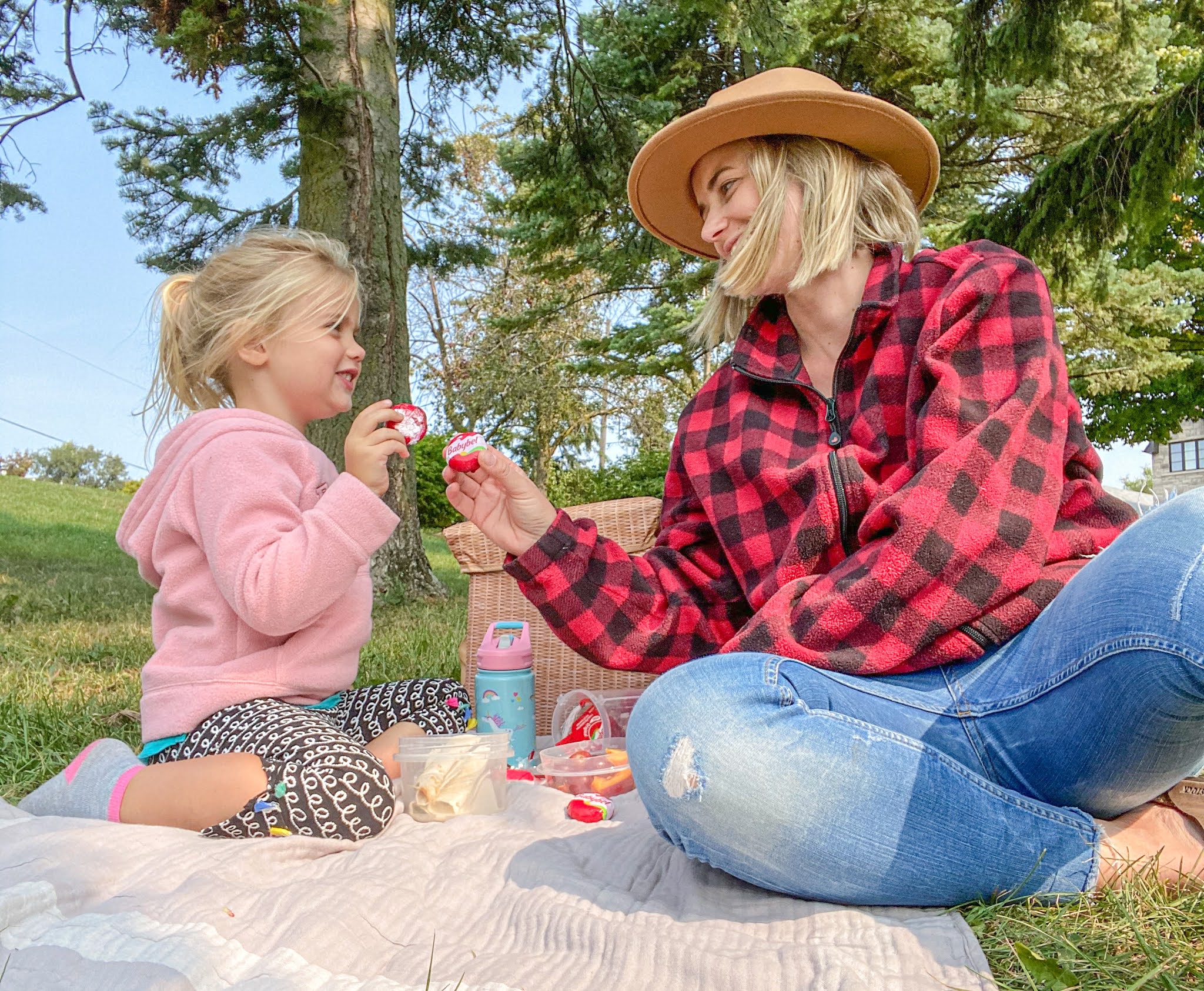
The first step is creating children that care for the environment is getting outside and connecting them with nature. If they have a connection with the environment, then they are more likely to care for it. Whether it is a hike on a local trail, a trip to the beach or even a picnic in your local green space, getting outside will help to solidify that connection and, overall, help to protect the environment. Remember, this doesn’t need to stop when the school year ends - it’s important to get outside all times of there year. Especially as there are proven physical and mental health benefits to getting outdoors as well. 

Pack Litter-less Lunches

On average, a school-age child with a disposable lunch generates about 30 kg of waste per school year. That’s more than my kindergartener weighs! It also means that if there are 25 students in a class, they are producing 737 kg of waste each year. And that number only gets bigger as you look at the rest of the school, and beyond. 


By taking a litter-less lunch, you produce 89 per cent less waste. Not to mention, litter-less lunches also often mean healthier (think fresh cut fruits and veggies) and saving money.


How We’re Helping the Environment this School Year

Use Reusable

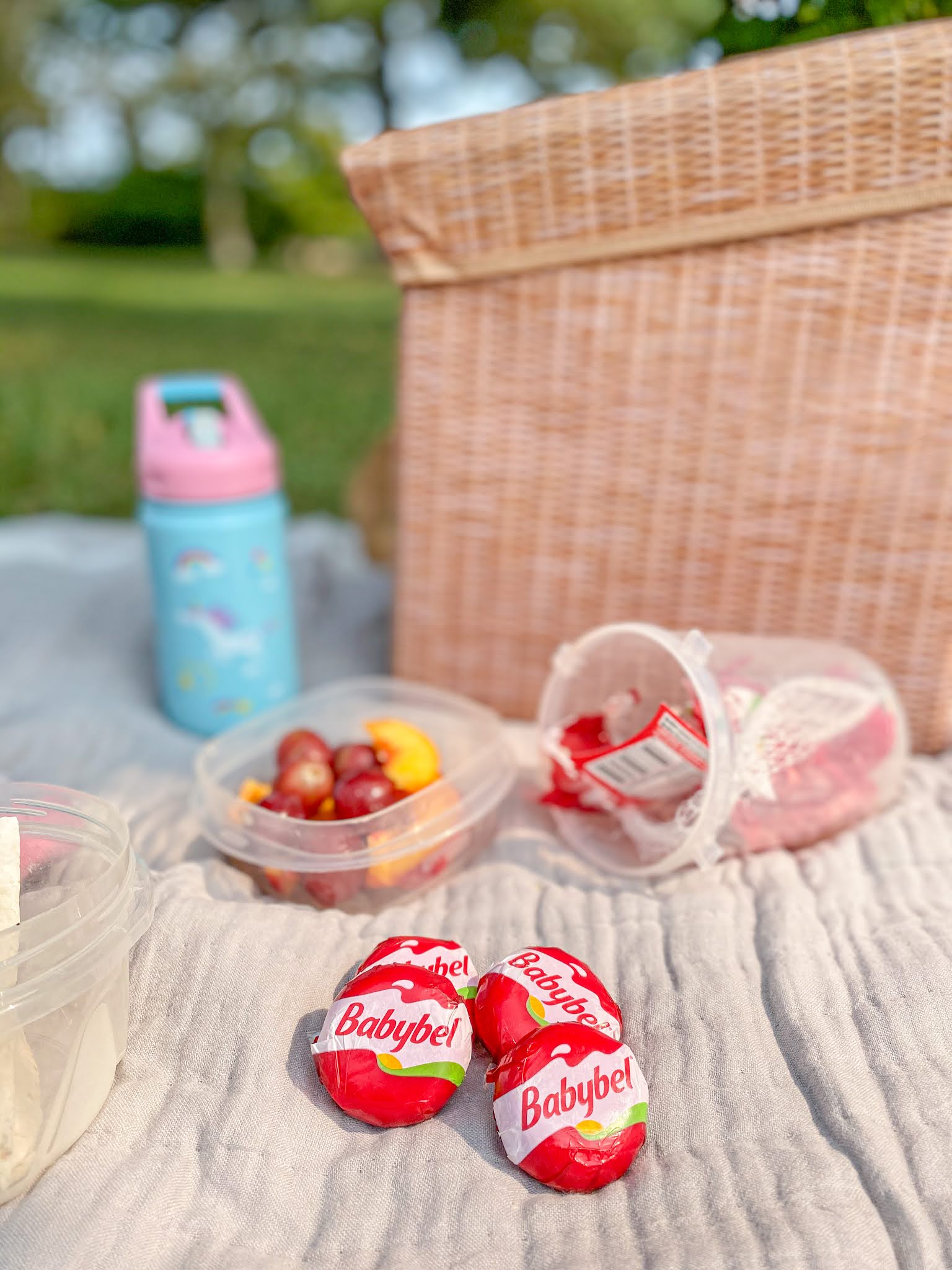
A big part of going litter-less is using reusable containers for lunch, such as bento boxes, bamboo utensils and refillable water bottles. Ditch the single use plastics.


This school year, another thing that you can include in your child’s backpack that is reusable are fabric masks.

How We’re Helping the Environment this School Year

Support Local

By supporting local you are not only helping to boot the local economy, but you are also reducing the distance that many products need to travel. Products that travel greater distances to reach consumers may not be as fresh, and contribute to greater carbon emissions from the vehicles they are travelling. Opt for locally grown, raised and produced products, such as fruits, veggies and meat.

How We’re Helping the Environment this School Year

Recycle

Reducing the amount of litter you create is extremely important, but so is recycling those materials that are recyclable. Oftentimes, what can be recycled may differ between providers and cities, so be sure to check with your local municipality to see what can be recycled in your home.


In addition to curbside recycling, take advantage of alternative recycling programs, like TerraCycle!


Babybel has partnered with TerraCycle to reduce the amount of waste going to landfill. Now, all Babybel packaging (for all the different varieties and formats), such as cellophane, tag, net, metal clasps, wax, and plastic wrappers can be recycled! This partnership is Babybel’s first step towards becoming more environmentally-friendly. 


Participating is simple and free,

  1. Start by signing up for TerraCycle’s free recycling program.
  2. Keep all the nets, tags, metal clasps, cellophane wrappings and wax in a box.
  3. Once your box is full, seal it tightly, print a prepaid label and mail your recyclables to TerraCycle for free.
  4. For every box of recyclable material that you mail, you will earn points that can be converted into donations to the charitable organization of your choice.

How We’re Helping the Environment this School Year

What happens to the materials, you ask? The cellophane, nets and tags are used to make other plastic items. The metal clasps are separated from the tags and then melted to make joints, nuts and bolts. After being melted and filtered to remove any impurities, the wax can be used to make new candles.


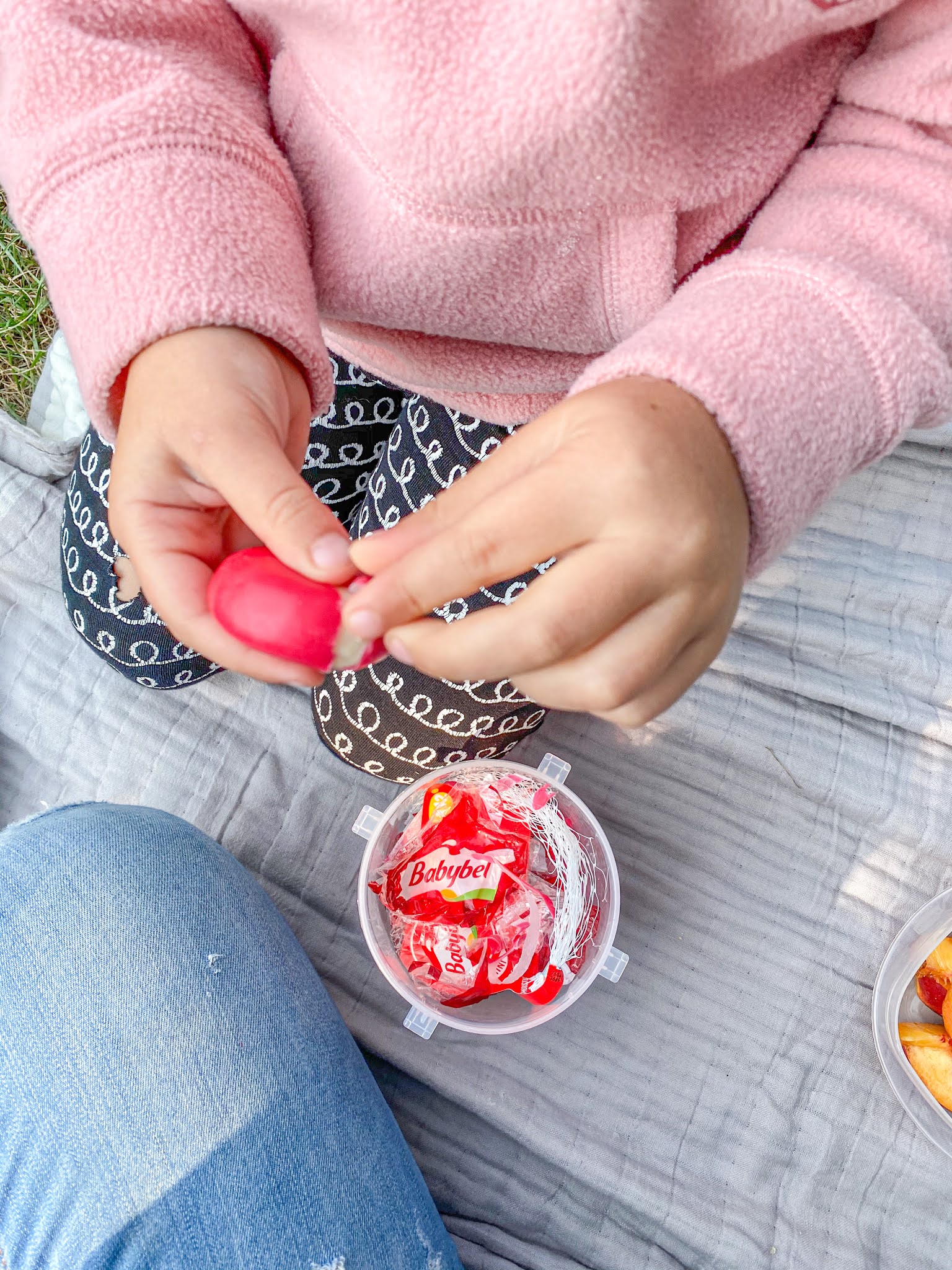
It really is simple to do - we keep a reusable container on the counter, and whenever we eat a Babybel, instead of going into the trash, we put the packaging into the container. Once it is full, we follow the steps above and send it off the TerraCycle to be recycled.


By recycling your Babybel packaging, you are not only doing a positive action for the planet, but you are also giving back to charity. Recycling is an easy choice to make a positive change in the world we live in.

How We’re Helping the Environment this School Year


Remember - caring for the environment doesn’t stop when the school year ends! These steps can be followed at all times of the year to ensure we all do our part to help take care of the environment.


What actions do you take to consume less, recycle and be more environmentally-friendly? I’d love to hear!



*Disclosure: I have participated in a paid partnership with Babybel. Opinions in this post are not my own.


SHARE:

September 10, 2014

Batty's Bath: Skin Mapping

This month I'm welcoming Batty's Bath back to t.o. & fro! Batty's Bath is a botanical skin care and soap company based in southern Ontario and every single product is lovingly hand-crafted using planet-friendly, people-friendly and animal-friendly ingredients. 

I recently purchased my first order of Batty's Bath products and can already say I'm in love. But, in order to know which Batty's Bath products would suit my skin care needs, I first had to do my research. So, I dove into Batty's blog, which is full of extremely useful information for people with all skin types, including Q&A, customer product reviews and plenty of videos and helpful articles. The one article that I found especially intriguing was her skin mapping guide. I instantly wanted to know more. Do you always break out in the same places? If so, then this chart may be for you...


According to the skin mapping chart, the acne spots on your face can give you clues to underlying issues. The purpose of this chart is to give you another tool in your resource kit for tackling skin care problems, and tells you what internal systems may be playing a role in any skin issues that are visible on your face. 

Recently, my skin care problems have been focused around my mouth and chin, which according to Batty's chart, suggest it is related to the reproductive organs and/or a hormonal inbalance. Interesting, and probably spot on, for this late 20 year old woman.

Making the switch to an all natural skincare routine by choosing Batty's products is just the first step in my skin transformation.  Finding an internal balance and emotional well being/stress reduction play an equally important part and are both something that I will need to start working on. According to Batty, focusing our efforts evenly between these key areas will give us a leg-up on the problem skin. 

Interested in trying some of Batty's Bath skin care products? Sign up for the Batty's Bath newsletter to receive a free shipping code! Stay tuned for her North American free shipping day on December 1, 2014, just in time for Christmas :)

Find out more about skin mapping:
Video: Internal causes of skin care problems
Skin mapping chart

Other Batty's Bath posts:
Where to find her:
Website  |  Shop  |  Blog  |  Twitter  |  Instagram


Did you find Batty's chart helpful?


 photo marsignature_zpsfb974fa3.jpg
SHARE:

March 29, 2014

Earth Hour 2014

As global citizens, we are witnessing the devastating effects of climate change, and we understand that these impacts are a result of human behaviour that will, without action, only get worse. 

Since 2007, millions of people across the world have rallied together in a symbolic demonstration for action on climate change. It all starts with a simple flick of the lights at 8:30pm on March 29. This hour of darkness is a time to come together to display our commitment to the one thing that unites us all, the planet.

This global phenomenon and the largest grassroots action in history is called Earth Hour.


This year when you turn off your lights, take a moment of darkness, a moment of reflection and introspection, be inspired to choose a future where climate change is no longer a threat. Earth Hour is a chance to step away from our every day activities and think about what is happening to our planet, what we'd like to see in the future, and most importantly, how we can help. For one hour, focus on your commitment to our planet for the rest of the year, and into the future. Why do you care about the planet? Why is making a difference and making a change important to you? 


So, join millions of people across the world who will switch their lights OFF q for an hour on March 29 at 8:30pm, all to raise awareness for the planet. Instead have a candle lit dinner, take  a nap, read a book by flashlight, talk with friends, stargaze, play board games, join a community event, or reflect on the changes you will make this year. The possibilities are endless. 


Whatever you chose to do for the hour, know that hundreds of millions of others across the global will be doing the same. Uniting behind a common goal provides a powerful message that WE CAN make a difference. 

We only have one planet, you can help protect it.

Will you join me?

 photo marsignature_zpsfb974fa3.jpg
SHARE:

December 7, 2013

Dreaming of a 'Green' Christmas...

With the holiday season just around the corner, it’s time to start looking for the perfect presents for your loved ones, planning decadent dishes for your dinner table and finding festive decor for your home. As we feast, give gifts, decorate and even travel during holiday season, we also consume lots of resources and generate lots of waste. According to the Environmental Protection Agency (EPA), the amount of household garbage in the US can increase by 25% between Thanksgiving and New Year's Day!

The holidays are special, but this year's festivities don't have to negatively impact our environment. There are a number of measures that we can all take to lessen the amount of trash we produce, the amount of time we spend on the road and ultimately, our impact on the environment. 


Green your holiday gifts

Support local! Instead of shopping in large box stores, shop at "mom and pop" stores in your area. Sometimes they have the best, and most unique, gifts.

Reuse gift wrap, tissue and bags from previous seasons, or switch to reusable gift wrapping such as fabric, newspaper and magazine pages, cloth bags, and twine. 

Buy items with minimal packaging and/or made with recycled content. Check product labels to determine an item's recyclability and whether it is made from recycled materials. Also, don't forget your reusable bags!

Give experiences, not gifts. Tickets or passes to museums, aquariums, zoos, theatres, sports games and other attractions make great gifts! Maybe even think about making a donation to a local charity or adopting an endangered species in the person's name.

Make holiday cards from recycled materials or give an e-card. The EPA estimates that the amount of cards sold in the US during the holiday season are able to fill a football field 10 stories high and require the harvesting of nearly 300 000 trees! Scary! 

Green your holiday feast

Support local!  Did you know the average North American meal travels over 2,400 km from field to table?! Look for sustainable, seasonal and local ingredients when planning your holiday feast and feel the warmth of the season knowing that the food isn’t just good for the soul, but good for the environment too.

Use reusable dishware, drinkware and cutlery. While it may mean a little more cleaning if you don't have a dishwasher, it will help minimize the amount of waste. Think of the time spent doing the dishes, as time spent with family.

After dinner, fill your dishwasher to capacity before running it. You will run fewer cycles, which saves energy.

Pack up leftovers and refrigerate or give take-home containers to your guests as they leave. Be sure to use reusable containers!

Be sure to separate your recyclables and your compostable material from the true garbage! The more material we divert from landfill, the better.

Green your holiday decor

Buy a real tree! Surprisingly, real trees are slightly better for the environment than plastic. Nearly all cut Christmas trees were grown on tree farms, which means their stock is replenished yearly and forests aren’t depleted. Not only have they been grown sustainably, most can be purchases locally. Plastic trees are made from PVC, may contain lead and often travel long distances before reaching your living room.

After the holidays, participate in your community's Christmas tree chipping program. This will minimize your footprint and help give back to the local community and the trails in your local parks. If a program like this is not available in your area, ensure you dispose of your tree properly.

Light up your home and tree with LED lights. These lights use 95% less electricity than conventional lights!

Turn off or unplug holiday lights during the day or put them on a timer. Doing so will not only save energy, but will also help your lights last longer, saving you money in the long run as well.

When packing up, use tissue and gift wrap to wrap-up your decor at the end of the season


However you celebrate this holiday season, please ensure it is joyous in spirit, but also gentle on the environment!


Do you have any tips you follow for greening your holidays? 


 photo marsignature_zpsfb974fa3.jpg
SHARE:

April 2, 2012

Earth Hour 2012

Earth Hour 2012 was the largest voluntary action for the environment, reaching further than ever before. It was celebrated in a record 150 countries and territories and 6494 towns and cities.  Millions of people joined to send the message that our combined efforts are needed to change our future to one that is sustainable.

The first official event in Anchorage was a huge success! Over 100 people enjoyed a candlelit walk during Earth Hour at the Alaska Zoo.  Here are some pictures from the event...


SHARE:

March 31, 2012

Earth Hour Part 2

Since our Earth Hour event at the Zoo is the first official event in Anchorage, we wanted to make it BIG.  So, we decided to go "beyond the hour" and throw out a challenge to schools within the Anchorage School District.  Since there isn't school on Saturday, we asked schools to choose the hour and participate in their own Earth Hour on Friday, March 30.  Several schools accepted the challenge. 


We spent the entire day at our partner school with kindergarteners to 6th graders, in complete darkness, making bird seed ornaments, playing polar bear board games, making collages out of recycled materials, making snow creations, planting pumpkin seeds and even reading stories.

The students got it.  They understood why we were doing what we were doing. Whether they learned how climate change affects polar bears or how trees help clean the air, they got it.  For them to understand what's happening to the environment and wanting to make a difference, is incredible.  They're our future.


It's not about the electricity or energy you save during that hour.  Earth Hour is a visual vote.  Similar to raising your hand when the teacher asks who wants to go out for recess.  It's visual.  When hundreds of millions of people, entire cities, even iconic landmarks, choose to sit in darkness for that one hour, it's noticeable.  It's this visual vote that shows governments and leaders how important the environment is and how much we care about our planet.


SHARE:

March 25, 2012

Join the Movement


Earth Hour is a universal message of hope and action to protect the one thing that unites us all - the planet. Together our actions add up.


More than 5,200 cities and towns in 135 countries worldwide switched off their lights for Earth Hour 2011 alone, sending a powerful message for action on climate change. It also ushered in a new era with members going Beyond the Hour to commit to lasting action for the planet. Without a doubt, it’s shown how great things can be achieved when people come together for a common cause.

Join the world for Earth Hour 2012 by switching off your lights for 1 hour at 8:30pm your local time on Saturday, March 31st.


I know what I'll be doing during my hour - I will be at the Alaska Zoo, participating in our 1st annual Earth Hour at the Alaska Zoo!  At this event, the public is invited to participate in an hour-long candlelit stroll through the Zoo.  Youth from the community will be in attendance to share why taking action against climate change is important to them.  The hour will end behind-the-scenes at polar bear where we will turn on the lights and toss our polar bears some yummy treats for all to watch them enjoy!  Wish you were in AK to take part?  I don't blame you!  One of the awesome things about this event is that not only is this only the second official Earth Hour event in all of the great state of Alaska, but it's also the first ever in Anchorage! We're adding a city to the map! How cool is that?!

So, what will you be doing during your hour?


For more information on Earth Hour, visit www.earthhour.org.


SHARE:
Blog Design Created by pipdig