February 6, 2020

Tips for Moving With Young Kids


Moving with children is exciting, but also challenging. The transition can be incredibly stressful, not just on the parents, but also on the young children. Today, I’m sharing our recent moving story - specifically how we moved from a 750 square foot condo to a two-storey farmhouse - and some tips we learned for moving with young kids.
Tips for Moving With Young Kids

The other day, I was talking with a friend that recently sold her 1 bedroom plus den condo downtown Toronto, and bought a 4-bedroom house in the ‘burbs, backyard and double garage included.

She told me how nervous she was, moving out of the city, into a big house, and most importantly, uprooting her little ones from their current routine.

“Trust me”, I told her, “You will question the decision for a few months after you move in, but man oh man, the SPACE! Just think of all the space.”

I, of course, was speaking from recent experience - having sold our condo in late summer, and moved into a two-storey house just down the street.

We loved our condo, don’t get me wrong. It’s was ours, it was shiny and new, it was where we brought home a baby, it was our first home. But, it was also small. And everywhere we went, we could see or hear each other. Space was an issue. Peace and quiet was an issue. Privacy was an issue.

And so, we bought and sold. And while our new house may not be big by any means, it has space. Oh, the space. The separation. The (sometimes) peace and quiet. And, the (sometimes) privacy. 
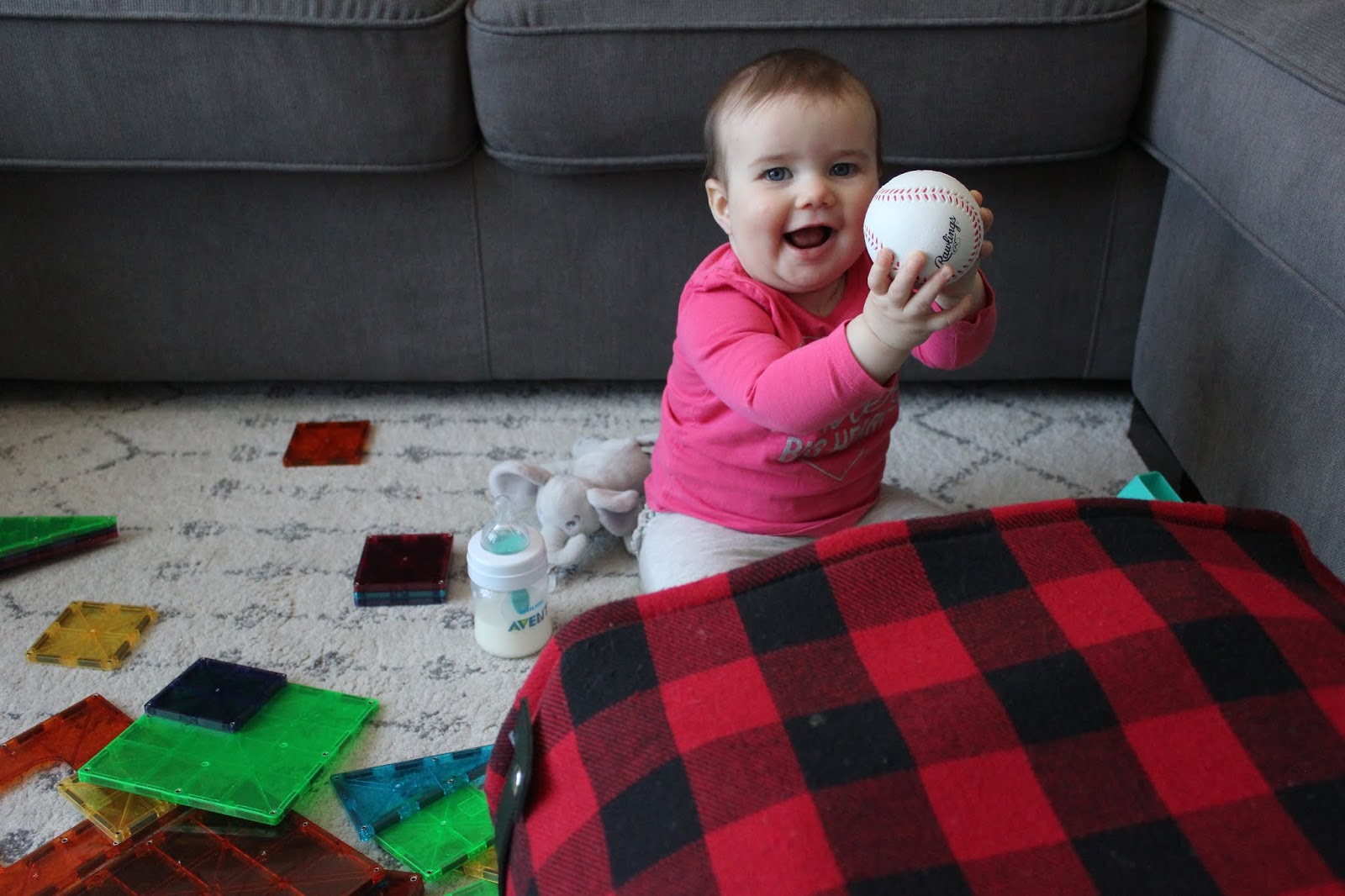
Tips for Moving With Young Kids

When we moved into the condo, Morley was just two years old. Knowing it may be a tough transition, I researched the heck out of it, interested in learning how we could minimize the stress on all three of us at the time. 

And so, going through it not once, but twice in the past year and a half, and not with just one kid, but most recently, with two in tow, you could say I’ve learned a thing or two about moving with young kids.

Is your family planning an upcoming move? Are you worried about the stress it may cause your young children? Check out our tips for moving with young kids. 

Tip for Moving with Young Kids

Set the tone. 

As parents, our children look to us for guidance, especially in new situations. This means that when you are stressed, your child takes notice. While easier said than done, it is important to manage your own anxiety, not just when it comes to moving, but in your every day. It is important to set a calm tone in your home, especially before, during and after a big transition such as a move.

Talk to your child. 

Sure, they may not 100% understand what’s going on, but talking them through it definitely helps. Repetition is always important when it comes to learning for little ones, so talk about it often. As we packed up our belongings, we constantly talked about “Morley’s new house”, in hopes that it would get our oldest excited. 

Keep a routine. 

Moving is a chaotic and stressful time, and also a time that routine couldn’t be more important. Schedules and routines offer children feelings of safety and security. Children learn to expect what happens next in a day to day routine, and they can feel confident in that. Knowing what comes next helps new situations feel less stressful.

For our youngest (who was just a year old at the time of our recent move), that meant keeping her bedtime routine in check - bath, book, bottle, bed. 

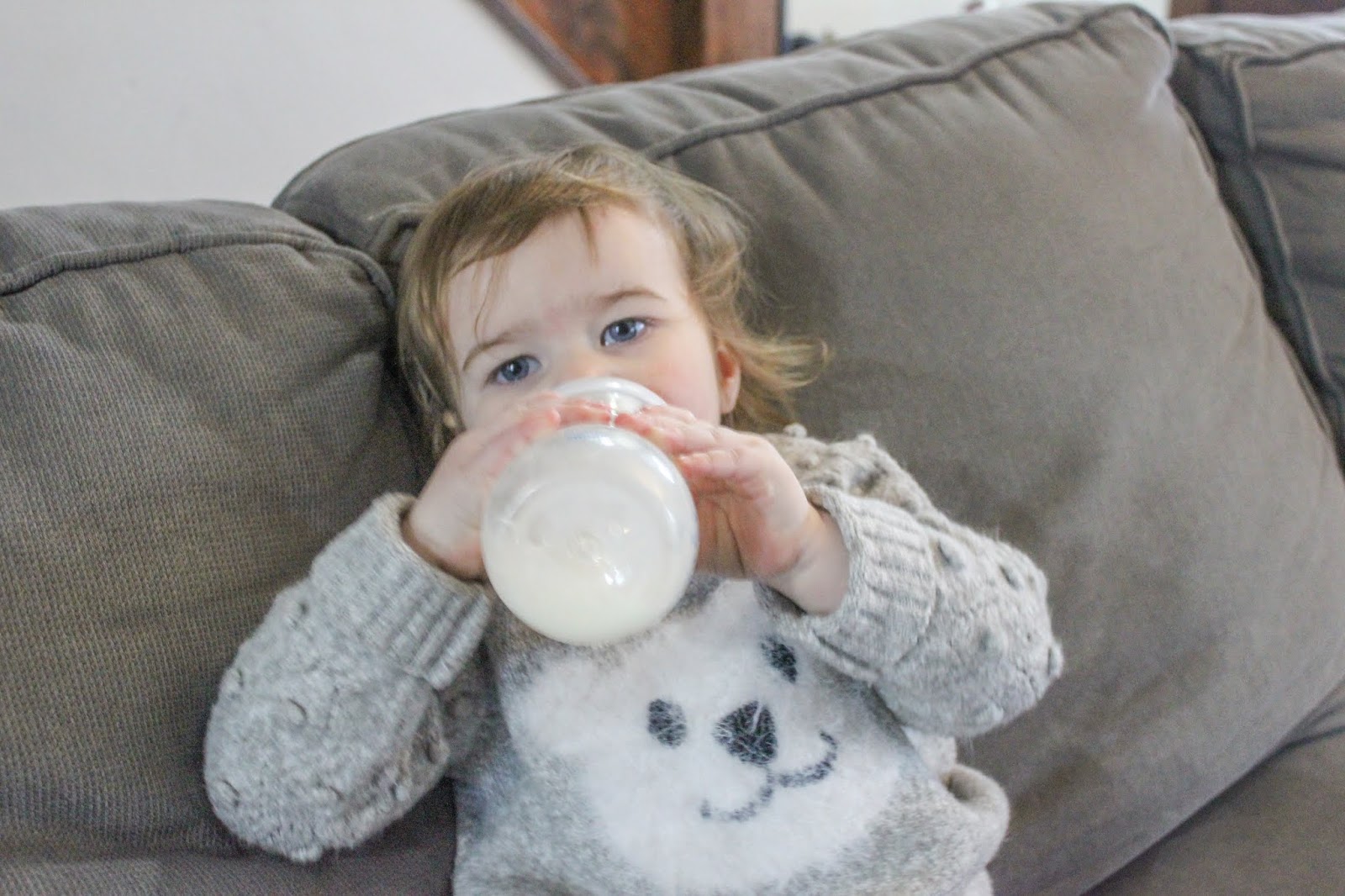
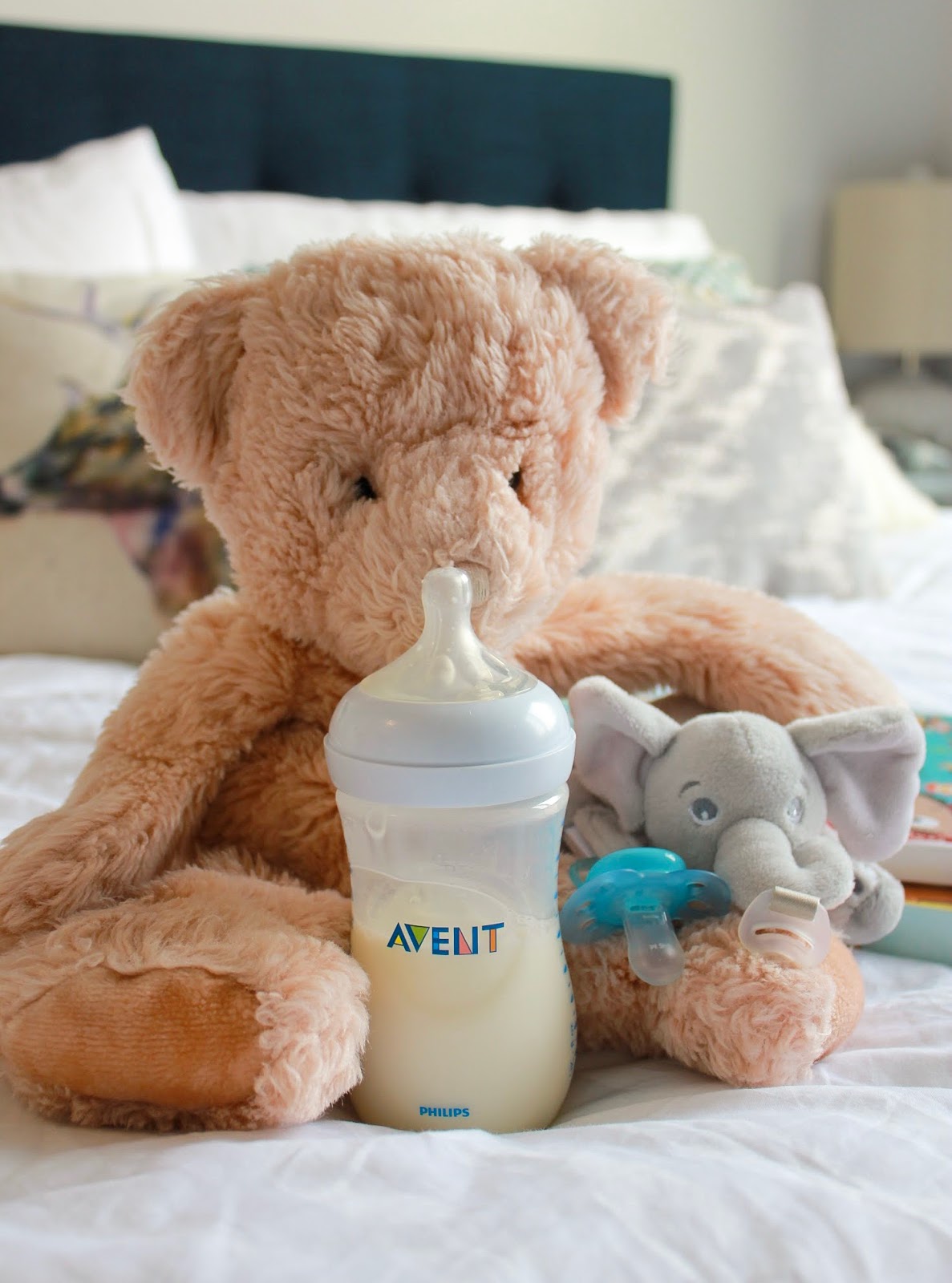
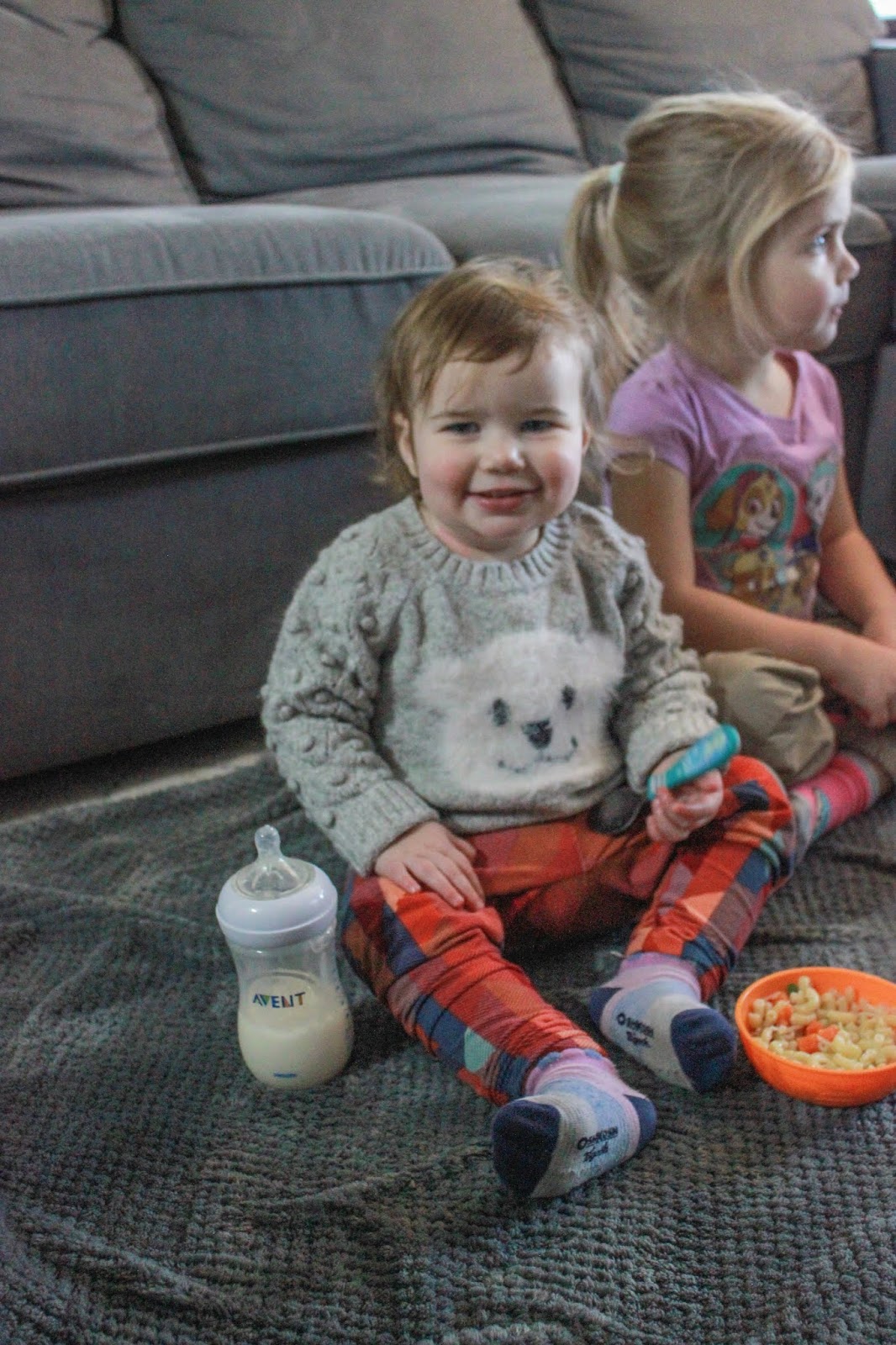
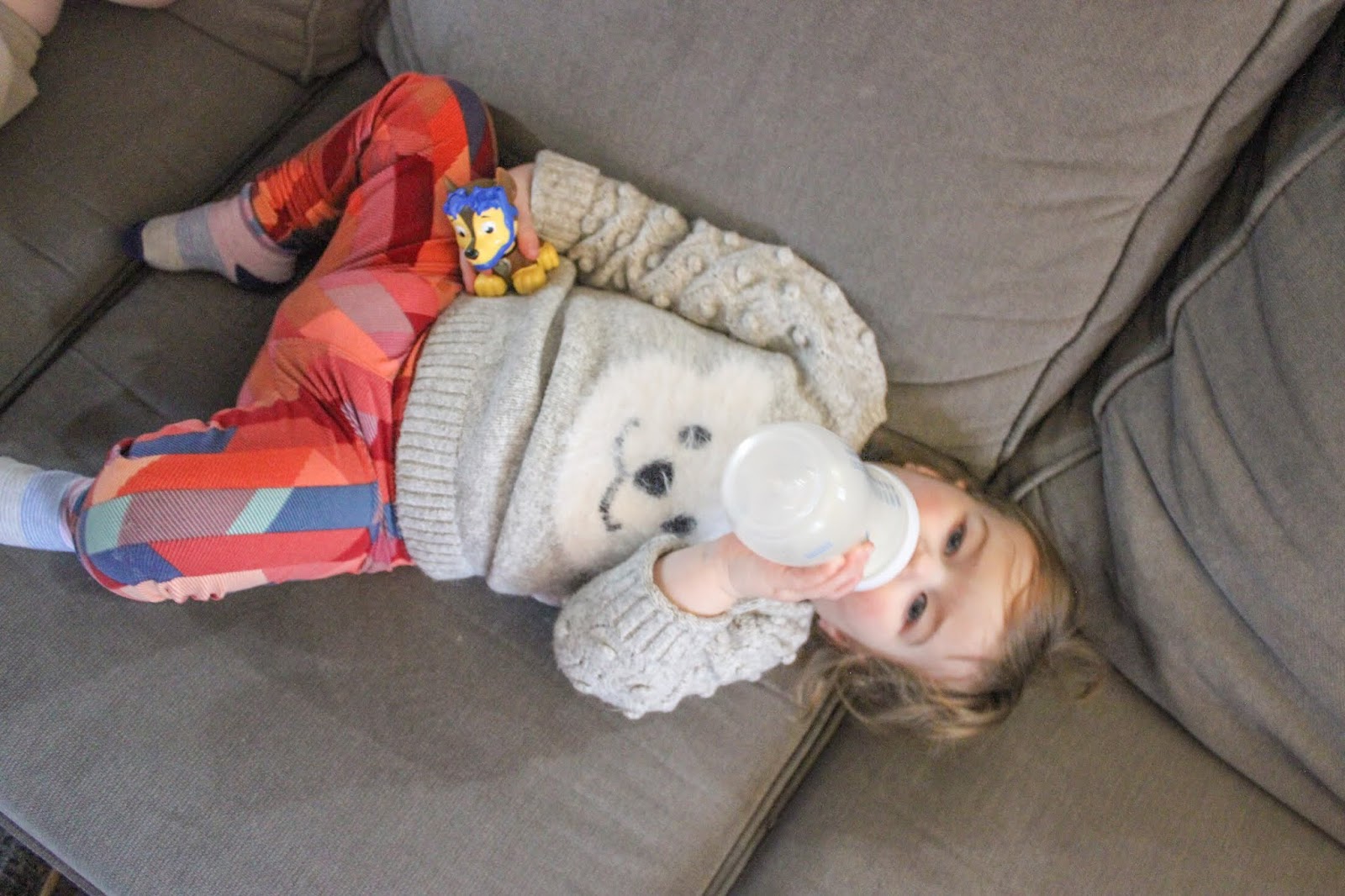
When it comes to bottles, Philips Avent has been our go-to for both girls. The Philips Avent Anti-Colic Bottles with Airfree Vent BPA-free bottles are designed to reduce colic, gas and reflux. The shape of the nipple allows a secure latch and stays full even when the bottle is horizontal, allowing baby to drink in an upright position so that they swallow less air as they drink. The bottle itself has an ergonomic shape for maximum comfort, making them easy to hold and grip in any direction. At the time of our move, I was transitioning our youngest from breast feeding to bottle feeding (just to add another stressor in there), so the design of both the bottle and nipple helped to ease this transition. 
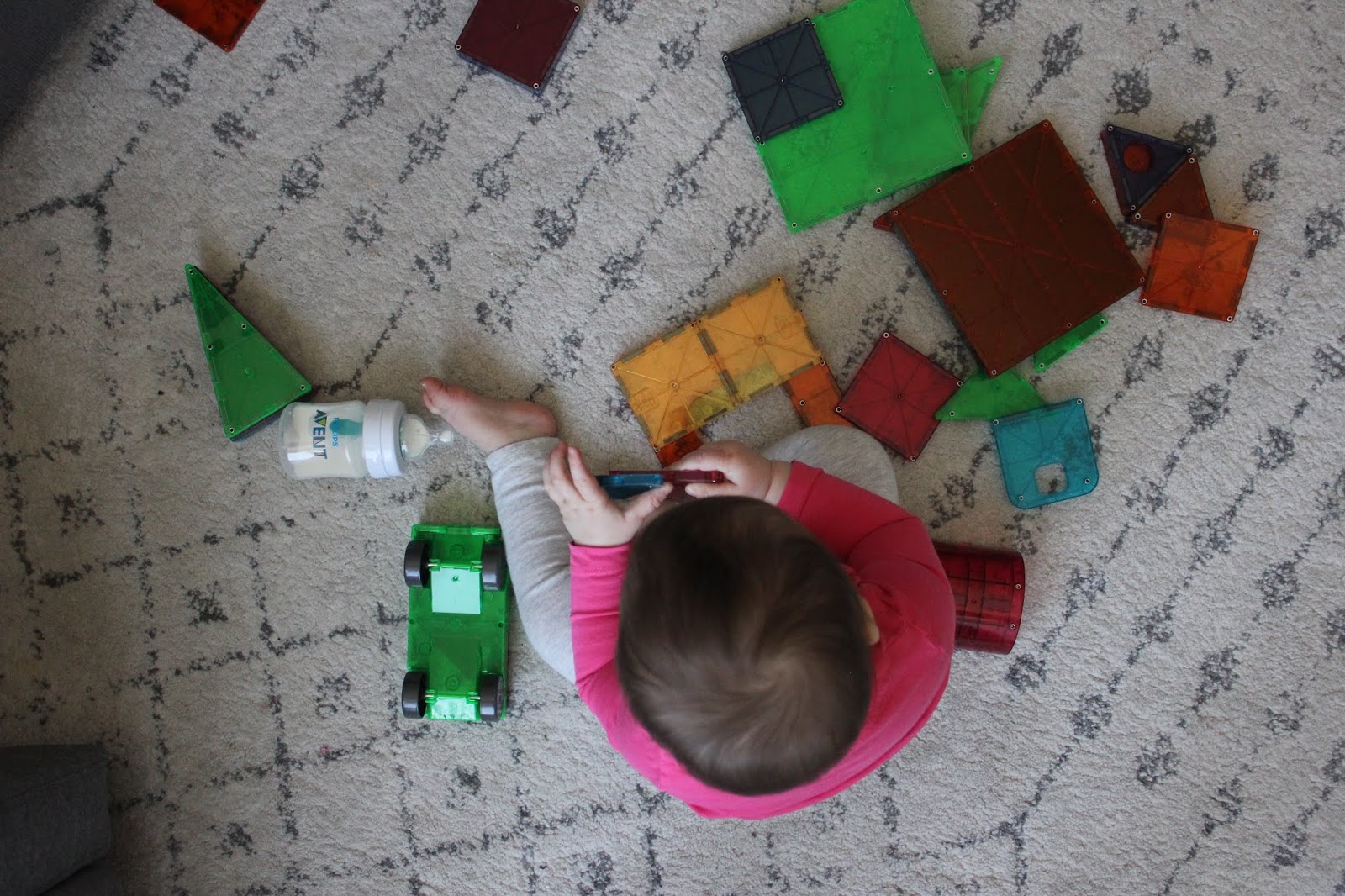
Tips for Moving With Young Kids

Recognition. 

Little kids recognize places that we frequent, so seeing as our new house was right around the corner from our condo, from their favourite park, from grandpa and from daycare definitely helped. Between selling and closing, we would occasionally walk past the new house to get them familiar with it. They are such creatures of habit, so showing our oldest that we would still be in the same area, and (for the most part) follow the same routine, definitely helped. 

Allow them to participate. 

While still young, having them feel involved is a way to help minimize stress. She may not have been able to help in the actual move, but we got her involved in other moving-related tasks. Unpacking their room first allowed them to have access to all of their regular items. We also let our oldest pick out her own paint colours. Pretty soon, there will be a pink and purple wall (sigh).

Be present and supportive.

During a move, it can be so easy to get hung up on your “to do” list - cleaning, painting, decorating, etc. It is important to remember to carve our some family time, to be present and provide support and TLC when needed.
Tips for Moving With Young Kids

Major life changes are challenging and stressful - not only to adults, but especially to small children. Our children look to us for guidance during tough times, and as parents, we can offer a lot of help to make the transition easier - offering comfort and support by maintaing a positive attitude, clear and constant communication and a good routine. It may be a stressful time, but getting them excited for the move by talking about your new home, walking the new neighbourhood and allowing for their involvement are sure to help ease the transition.

It is also important to remember, children are incredibly resilient. They are capable of more than we expect, so when all is said and done, I’m sure they will surprise you. Ours did.

Have you moved houses with young children? What are some of your tips for easing the transition? I’d love to hear!


*Disclaimer: This post is in partnership with Philips Avent. I received products and/or compensation in exchange for this post. All opinions and advice shares are 100% that of To & Fro.


PIN IT:

Tips for Moving with Young Kids

SHARE:

January 13, 2020

Tips for Surviving a Sleep Regression


Sleep and regression. Two words that go together like oil and vinegar. Also see, every parent’s worst nightmare. But have no fear, check out these tips for surviving a sleep regression. 

Tips for Surviving a Sleep Regression

I should preface this post by saying our two daughters are two VERY different sleepers. Our oldest (now almost 4) was an amazing sleeper from day one. She set the bar high in the sleep department, and we knew that. Once we welcomed baby number two, we knew we were doomed. Sleep would not be in our cards. And man oh man, were we right.

For those unfamiliar with sleep regressions, it is typically a period of time when a little one, who was previously sleeping well, experiences a temporary setback in sleep patterns. During a regression, they will go from sleeping soundly to waking up frequently during the night, are harder to calm or settle before sleep, wake up early from naps, or fight nap times altogether. In many cases, it’s a combination of all three – which can be extremely exhausting and frustrating for parents. The most common time frames for sleep regression to occur are when baby hits 4 months, 9 months, and 18 months of age.

Tips for Surviving a Sleep Regression

We recently hit the 18 month regression. Also probably the worst. Why? Because baby (or should I say, toddler) now knows what she wants and when she wants it. And she can vocalize it. Add in teething and some serious separation anxiety, and we’ve got one hot mess. 

Did I mention that sleep regressions can also last up to SIX weeks? Yep, you read that right. When you’re running on little sleep, six weeks can feel like an eternity. 

BUT, fear not. You will get through it. While there is no secret recipe to “fix” any sleep regression, there are ways to minimize the sleepiness, for both baby and yourself. From parent to parent, here are my tips for surviving a sleep regression. 

Tips for Surviving a Sleep Regression

Consistency. Try to stick to the routine. Remember that this is a confusing and probably overwhelming time for your little one too. Even though sleep regressions are bound to mess up your usual schedule, you should try to keep up your nap and bedtime routines. It may not happen when it normally does, but in a time where your baby is experiencing and learning new things, it helps to keep some things familiar.

Comfort. During this time, baby will likely be more clingy. Providing comfort items to help them calm is key. Items such as a stuffed animal, blanket or bottle.

Our youngest, Berkley, has really taken a liking to her blanket. Philips Avent Natural Bottles are also always on hand in our house. These BPA-free bottles have an ergonomic shape for maximum comfort, making them easy to hold and grip in any direction. The ultra soft nipple more closely resembles the breast, making an easier transition from breast to bottle.

Tips for Surviving a Sleep Regression

Support. Does baby seem hungrier than normal? Don’t be afraid to give your baby those extra feedings or snacks. The developmental changes and growth spurts that your baby often experiences during a sleep regression will usually increase their appetite.

Ask for help. This one may be hard, but it is important. While you do your best to take care of your baby during sleep regressions, remember to take care of yourself too. Sleep regression for baby often leads to sleep deprivation for parents. If you’re able to, take shifts with your partner. You can’t be the best for your babe if you don’t take care of yourself first. 

All kids are different. Some go through it, some don’t. Some go through it early, some go through it late. Saying sleep regressions happen at months x, y and z is not set in stone. All kids are different. 


Tips for Surviving a Sleep Regression

Remember, it will pass. When you’re going through it, you may wish time to move faster. But remember, you will get through it. It won’t last forever. It doesn’t mean all hope is lost and you will never sleep again.Time is already such a thief, don’t wish it away any faster. Remember and cherish these moments, despite how terrible you may feel at the time. 

What are your tips for getting through a sleep regression with your little one? I’d love to hear!


*Disclaimer: This post is in partnership with Philips Avent. I received products and/or compensation in exchange for this post. All opinions and advice shares are 100% that of To & Fro.

PIN IT

Tips for Surviving a Sleep Regression

SHARE:

December 17, 2019

Holiday Giving: Five Organizations That Support Young Families in the Greater Toronto Area


As the holidays approach, we naturally shift our attention to finding the perfect gifts for our families and friends. But, they aren’t the only ones who need our care this time of year.

In the Greater Toronto Area, there are many organizations accepting donations for those in need during the holiday season, and beyond. Read on to discover five local organizations that support a demographic near and dear to my heart - moms and young children!

Five Organizations That Support Young Families in the Greater Toronto Area

Last year, we adopted a “24 Days of Kindness” challenge with our preschooler - a way to teach her how to be kind (not just around the holidays), and the importance of giving back.

One of her challenges was to select a charity to donate to. As an animal lover, she naturally chose the local animal shelter, where we donated a bag of dog and cat food to animals in need.

This year, we’ve opted to give to a cause close to our hearts - new moms and young children in need.

Five Organizations That Support Young Families in the Greater Toronto Area

Even in the best circumstances, parenting can be quite the challenge. But for some, even affording the basic necessities is a struggle. It’s no secret that babies need a ton of stuff, but all of that stuff comes at a hefty cost. That’s why so many shelters and charities that serve women accept donations of baby gear, maternity gear and beyond. 

In the Greater Toronto Area, there are so many fabulous organizations accepting donations this holiday season (and beyond) - in the form of money, time or gifts.

Five Organizations That Support Young Families in the Greater Toronto Area

So what will we be donating this year? When donating to organizations, we choose brands that our family knows and loves, and uses every day! Philips Avent is one of those brands.

From the very beginning, we have been a Philips Avent family. Some of our favourites? 

Philips Avent Natural Bottles - These BPA-free bottles have an ergonomic shape for maximum comfort, making them easy to hold and grip in any direction. The ultra soft nipple more closely resembles the breast, making an easier transition from breast to bottle.

Philips Avent Anti-Colic Bottles with Airfree Vent - These bottles are designed to reduce colic, gas and reflux. The shape of the nipple allows a secure latch and stays full even when the bottle is horizontal, allowing baby to drink in an upright position so that they swallow less air as they drink.

Philips Avent Soothie Snuggle - The same great Soothie that many families and medical professionals know and trust, but with a soft, lightweight snuggly toy to help make babies feel secure.

Five Organizations That Support Young Families in the Greater Toronto Area

If you have gently used baby gear that you’d like to donate, or if you’d like to give the gift of brand-new items, money or even time, here are five fabulous organizations in the Greater Toronto Area that are in need.

The New Mom Project

The New Mom Project was started to provide marginalized families with basic baby necessities to get them off to a great and loving start. Since 2014 they have helped over 1000 families!

What they accept: Donations of gently used or new items and distribute them to families in need. 

The Birthday Candle Project

The Birthday Candle Project believes that every child deserves to be celebrated. Their mission is to bring joyful birthday celebrations to children living in women’s shelters in Toronto. They partner with organizations and individual families to collect unused (or gently used) party supplies, and then through a little creativity and magic, build parties for children who deserve to be celebrated!

What they accept: New or gently-used party supplies, birthday gifts and gift cards. They also have an option of building a Pack-a-Party. 

Toronto Diaper Bank 

The Diaper Bank of Toronto helps fill a critical and otherwise unmet need for diapers among the most vulnerable in our community. They believe that clean diapers are a basic need for babies and their caregivers, yet 1 in 4 children in Toronto live in poverty and these families are at risk or have experienced diaper need.

What they accept: The Diaper Bank accepts financial support, but also loose, opened and new packages of diapers. They will also accept wipes and formula. 

Jessie’s Centre

This organization helps young mothers with kids and those expecting by providing them with resources. Their mission is to nurture the healthy development of pregnant teenagers, young parents and their children.

What they accept: The centre is always on the lookout for baby clothes, clothes for young women, and maternity wear.

Boys & Girls Club of East Scarborough

The Boys & Girls Club of East Scarborough provides services to 5,000 low-income children and youth from the surrounding area. Services include licensed childcare, early-years programs, before- and after-school programs, sports and recreation clubs, and leadership development. 

What they accept: This holiday season they are looking for donations for The Holiday Box (a program that gives families small items they need for day-to-day life), Sponsor a Child (a program where you purchase gifts, clothing and groceries for a child) and their Toy Drive (where you can drop off an unwrapped toy that will be gifted to a child).

Five Organizations That Support Young Families in the Greater Toronto Area

This holiday season, celebrate motherhood by giving a little bit of yourself to the mothers who don’t know you but need your help!

How do you give back? Do you have a charity that you donate to around the holiday season, or beyond? I’d love to hear!


*Disclaimer: This post is in partnership with Philips Avent. I received products and/or compensation in exchange for this post. All opinions and advice shares are 100% that of To & Fro.

PIN IT:

Five Organizations That Support Young Families in the Greater Toronto Area


SHARE:

July 5, 2019

The Battle of the Bottle: Our Feeding Story


From the day they were born, our girls have been very different. From the colour of their hair, to their demeanour and everything in between, they are almost complete opposites.

how to get baby to take a bottle

This is especially true when it comes to feeding. 

From early on, our oldest was formula fed. And our youngest? At 11 months, is currently still being breast fed. I can count the number of times she's taken a bottle on two hands. The number of times it being formula, even less. The number of times I have been away from her and not nursed her, even less than that. So very different than my oldest. 

But, that all is about to change. As the end of my maternity leave quickly approaches, it’s time to start transitioning her off the boob and onto a bottle. And since I didn’t have to do it with my first, it gives me anxiety just thinking about it. BUT, it must be done. 

Today, I’m sharing our family’s feeding story - or, more appropriately, our “battle of the bottle”.

how to get baby to take a bottle

Before we get started, I think it’s important that I start at the very beginning, and share our breastfeeding journey to date (read more, here). It hasn’t always been smooth.

When we left the hospital with Morley back in 2016, I felt nothing but confidence. At least, as much confidence as a new parent could have. However, shortly after bringing baby home, I started to struggle. Breastfeeding became a struggle, and baby wasn’t gaining enough weight to make our family doctor happy. The next day, we made an appointment with the hospital’s lactation consultation. Minutes after stepping through the door, all of the confidence that I originally had flew out the window. “You’re doing it wrong” and “Try harder” are not words a new parent wants to hear. A new parent wants support, and that’s not what I was getting. I left the hospital feeling absolutely defeated - like something was wrong with me because I couldn’t feed my baby “like nature intended”.

After shedding many tears, I pulled myself together and realized fed was best. 

We turned to formula. She instantly took to the bottle and pretty soon after was at the top of the charts for a baby her age. This route also allowed dad to take some of the midnight feeding shifts and allow me to rest. Amen to sleep. 

And then, two and a half years later, little sister Berkley was born.

how to get baby to take a bottle

Like Morley, I thought her taking a bottle would be a walk in the park. How different could they be?

The answer? Different. Very different. Unlike her big sister, Berkley did not instantly take to the bottle. 

Unlike her big sister, Berkley was born on a weekday when the hospital offered a morning breastfeeding class. Having nothing but time while waiting to be discharged from the hospital, we went to the class. Why not, we thought. All I can say is that if that kind of support had been available when Morley was born, there’s a strong chance that I wouldn’t have felt the way I did.

Berkley instantly took to the boob.

how to get baby to take a bottle

Now that Berkley is almost 11 months old, and I’m starting to think about going back to  work and sending her to daycare, it’s time to start transitioning her off the boob and onto the bottle.

For 10 plus months, she has been used to the comfort of being breast fed, something taking a bottle lacks for her. I knew the transition would not be a walk in the park. 

So, how are we making out? Well, let me just say, we’ve still got some work to do before the end of August rolls around…

BUT, we have made progress. 

One thing that’s helped are the Philips Avent products we use. During her meals, she typically drinks water from a Philips Avent Spout Cup. Since we would be giving her a Philips Avent Natural bottle at night, one thing I did was switch out the spout cup nipple with the natural bottle nipple so that she would get used to it. These BPA-free bottles have an ergonomic shape for maximum comfort, making them easy to hold and grip in any direction. The ultra soft nipple more closely resembles the breast, making an easier transition from breast to bottle. Luckily, she had no problem drinking her water from the sippy cup with a bottle nipple. I thought it would be smooth sailing from there.

But then I remembered, there was the issue of my supply. Having introduced food months before, my milk supply has decreased and I stopped pumping months before. The freezer stash had been depleted. So, we turned to formula. But, she refused to drink it. So, with guidance from our family doctor, we introduced whole milk at 10 months. Now, that’s a different story. 

how to get baby to take a bottle

She isn’t 100% hooked on drinking whole milk from a bottle, but like I said, it is still a work in progress. The clock is a ticking though, and if I’ve learned anything from baby number 2 it’s that time flies and the end of August will be here before we know it. That battle of the bottle has got to end at some point.

So moral of this story? ALL kids are different - in shape, in size, in demeanour and even, in the way they feed.

My advice to new mamas? YOU do YOU. Do what feels best for you, best for your babe and best for your family. 

But it’s also good to have some trusted tools, like Philips Avent, in your back pocket. 

What are your tips for getting baby on the bottle? I’d love to hear!

You can find more about our parenting adventures AND our favourite Philips Avent products, here:


*Disclaimer: This post is in partnership with Philips Avent. I received products and/or compensation in exchange for this post. All opinions and advice shares are 100% that of To & Fro.


PIN IT:

SHARE:

June 12, 2019

Our Sleep Story: How We Got Our Kids to Go to Sleep - and Stay Asleep - in the Same Room


A few weeks ago, I posted a story on Instagram of the girls playing in their bedroom. From that story, I got quite a few questions - specifically if they share a room, and how we make it work. 

So, whether you are just curious OR are in similar situation, living in a small space with kids sharing a room, read on to learn about our sleep story.

How We Get Got Our Kids to Go to Sleep - and Stay Asleep - in the Same Room

First, let me go back to the very beginning when our oldest daughter Morley was born. We were living in a one bedroom apartment, and from day one we all shared a room. From day one, she was also a very good sleeper. By the time she could walk, she was literally putting herself to bed - she would walk to the bedroom and wait until someone lifted her into her crib. Yes, DREAM sleeper. 

Morley was just over two years old when we moved into our current 750 square foot, 2 bedroom condo. She went from having us in the same room to having her own room and sleeping in a big girl bed, in a brand new place. We honestly thought it would be a nightmare. BUT, again, dream sleeper. 


How We Get Got Our Kids to Go to Sleep - and Stay Asleep - in the Same Room

Then all of two point five seconds passed and little sister Berkley was born. 

For the first few months, Berkley was in the bassinet in our bedroom. But big sister wasn’t ok with that, and ended up in our bed too. 

I know what you’re thinking - why didn’t I just put Morley back in her own bed? Well, unlike Morley, Berkley wasn’t a good sleeper. The little energy I had from waking every few hours I wasn’t willing to spend on fighting with a toddler in the middle of the night. I needed my sleep, and that came at the cost of sharing our bed with someone who loves to sleep horizontally. 

Those first few months flew by and Berkley moved into her crib in the room they now share. We immediately did a happy dance, thinking it meant we’d have our room back. Wrong! Morley stayed in our bed. Berkley was still a terrible sleeper, waking too many times a night to count. And so her fussing, and me going in and out throughout the night, didn’t wake Morley (again, not willing to fight with a toddler int he middle of the night), we let her stay in our bed. 

Most nights I would be playing musical beds - I’d start in my bed, go to feed Berkley and come back to find my side of the bed completely taken over. As a result, I’d either end up on the couch or in Morley’s bed. I know that sounds awful, but it really wasn’t - it meant I got to sleep. Without fear of being hoofed in the head.

But eventually, that got old. It was time we got our bed back. We knew we needed to find a routine that worked, and commit to it. 


How We Get Got Our Kids to Go to Sleep - and Stay Asleep - in the Same Room

Before we could establish this routine, we had to deal with a few challenges that come with living in a small space, and with the girls sharing a room.  

First off, being 2 1/2 years apart, the girls have different sleep needs and habits. It’s not as simple as putting them down at the same time, and walking away. If one is sleeping, the other will fuss. It’s a vicious cycle of waking each other up. (Just one of the reasons we decided sleep training was not an option.) Reading them stories at the same time also doesn’t work. Morley can easily relax through two books, while Berkley is not able to sit still. 

The noise is also an issue. Our small space is anything but quiet. While the girls take care of the noise during the day, we also try to keep a certain noise level during bedtime so that they learn to fall asleep with it. Besides the soothing, this is one of the reasons we play “sleepy time music” at bedtime. We also have a white noise machine, and try to keep the TV at a certain level before dad and I go to bed for the night.

And then there was the issue of the second bedroom itself. Condos are a funny thing - in order to call a room a bedroom, it must receive natural light. The workaround? To create a glass wall, with a glass sliding door. No privacy, and all light all the time. Our solution was to frost the glass. It may not keep the light out, but it does prevent them from seeing us out in the kitchen and living room, and keep their severe FOMO at bay.


How We Get Got Our Kids to Go to Sleep - and Stay Asleep - in the Same Room

And so, ten months later, we’re currently working with this…

Our bedtime routine typically starts around 7:30pm. After bath and snack, dad will read Morley her two books (of her choosing) while I nurse Berkley out in the living room. Once I hear the sleepy time music start, and Berkley is drowsy enough (but not completely out), I put her in her crib. We both leave the room and let the sleep time music do the rest. If all goes well, both girls are down by 9:00pm. On a good night, they both stay asleep the entire night. There are, of course, variations of this schedule - teething, sick kiddos, visiting family, etc. Yes, it may not be perfect, and is a constant work in progress, but it’s what works for us and our current situation.

For us, maintaining this routine also means having items of comfort nearby. When it comes to bedtime favourites, they’ve both been very different. White noise, sleep sac, soother, books, headlamp, stuffy, glass of water and bottle - are just a few of the items they both enjoy to help them sleep. 

Some of mom and dad’s favourites? 

Philips Avent Natural Bottles - These BPA-free bottles have an ergonomic shape for maximum comfort, making them easy to hold and grip in any direction. The ultra soft nipple more closely resembles the breast, making an easier transition from breast to bottle.

Philips Avent Anti-Colic Bottles with Airfree Vent - These bottles are designed to reduce colic, gas and reflux. The shape of the nipple allows a secure latch and stays full even when the bottle is horizontal, allowing baby to drink in an upright position so that they swallow less air as they drink.

Philips Avent Soothie Snuggle - The same great Soothie that many families and medical professionals know and trust, but with a soft, lightweight snuggly toy to help make babies feel secure.


How We Get Got Our Kids to Go to Sleep - and Stay Asleep - in the Same Room

And so, that’s where we’re at in a nutshell. Like I said, not ideal, but we’re working with what we’ve got. And I’m happy to report that I can finally start using multiple hands to count the number of nights I’ve actually slept through the night and have not been woken up by a bed-hopping toddler or fussy baby. Snoring husband is a whole other story though…

What’s your sleep story? What does your kids’ routine look like? What works for them? I’d love to hear!

You can find more about our parenting adventures, and our favourite Philips Avent products, here:


*Disclaimer: This post is in partnership with Philips Avent. I received products and/or compensation in exchange for this post. All opinions and advice shares are 100% that of To & Fro.

PIN IT:
Our Sleep Story: How We Got Our Kids to Go to Sleep - and Stay Asleep - in the Same Room

SHARE:

May 16, 2019

What It Means To Be a Big Sister, From the Mouth of a Three Year Old Big Sister


Being a BIG sister is a BIG responsibility. Yes, I’m speaking from personal experience here…

I am the oldest of three. I have a younger brother and a younger sister. In my 30+ years experience as a big sister, I’ve learned you have many shoes to fill. Among many jobs, you are a role model, a leader, a teacher, a playmate and a best friend. Like I said, BIG responsibility.

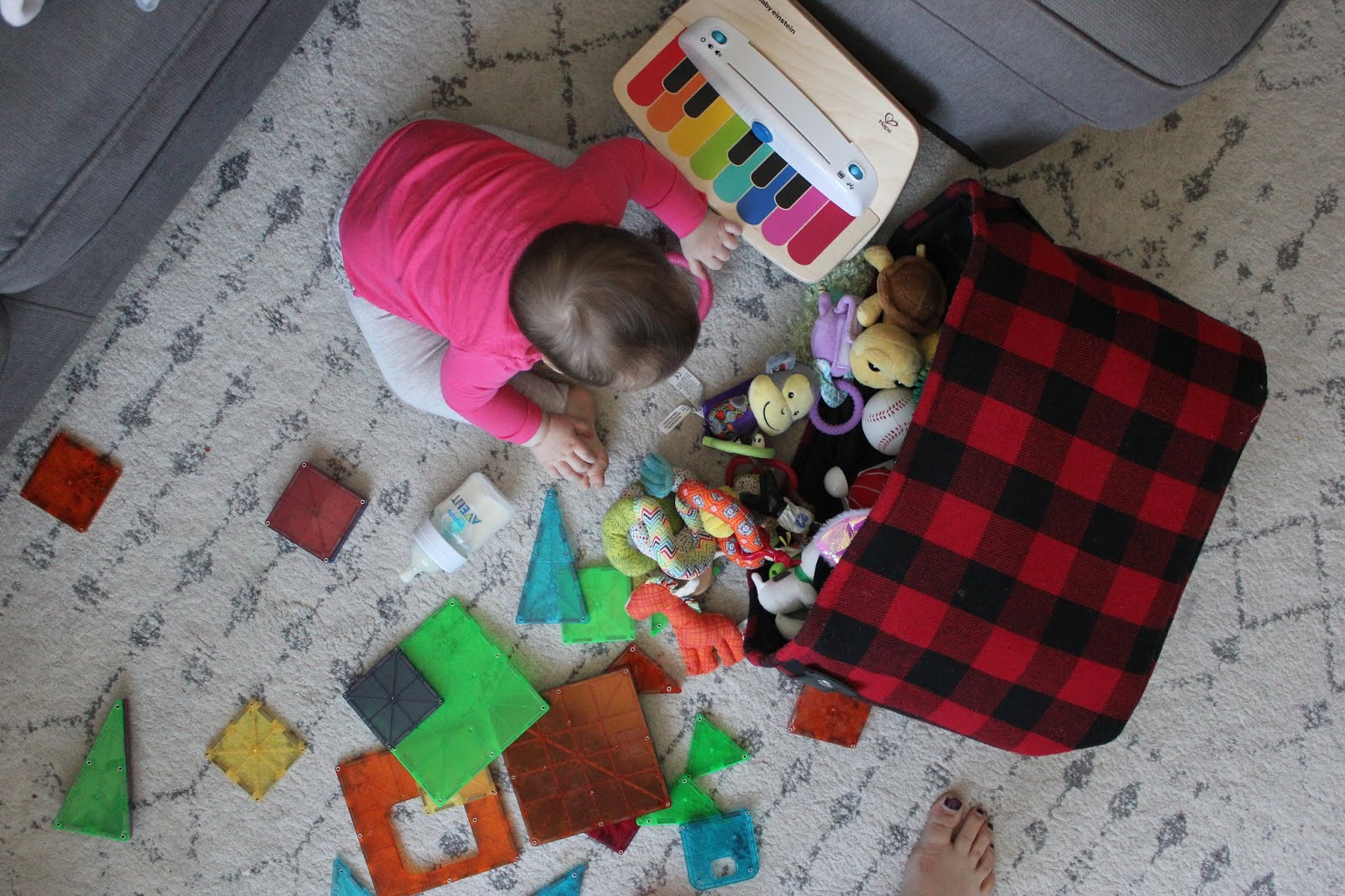
baby playing with magnetic tiles

While she may not fully understand the responsibilities that come with being a big sister until she’s a bit older, at just three years old, our oldest daughter has completely embraced the role.

I recently sat down with her - a new big sister as of nine months ago, but also the leading expert on little sisters in our house (or so she thinks). Here’s what she had to say about being a big sister…

Mom: Morley, do you like being a big sister?
Morley: Ya.

Mom: What do you like about it?
Morley: *mumbles something from the living room*

Mom: You like little baby chins? (Honest, it’s what I thought she said.)
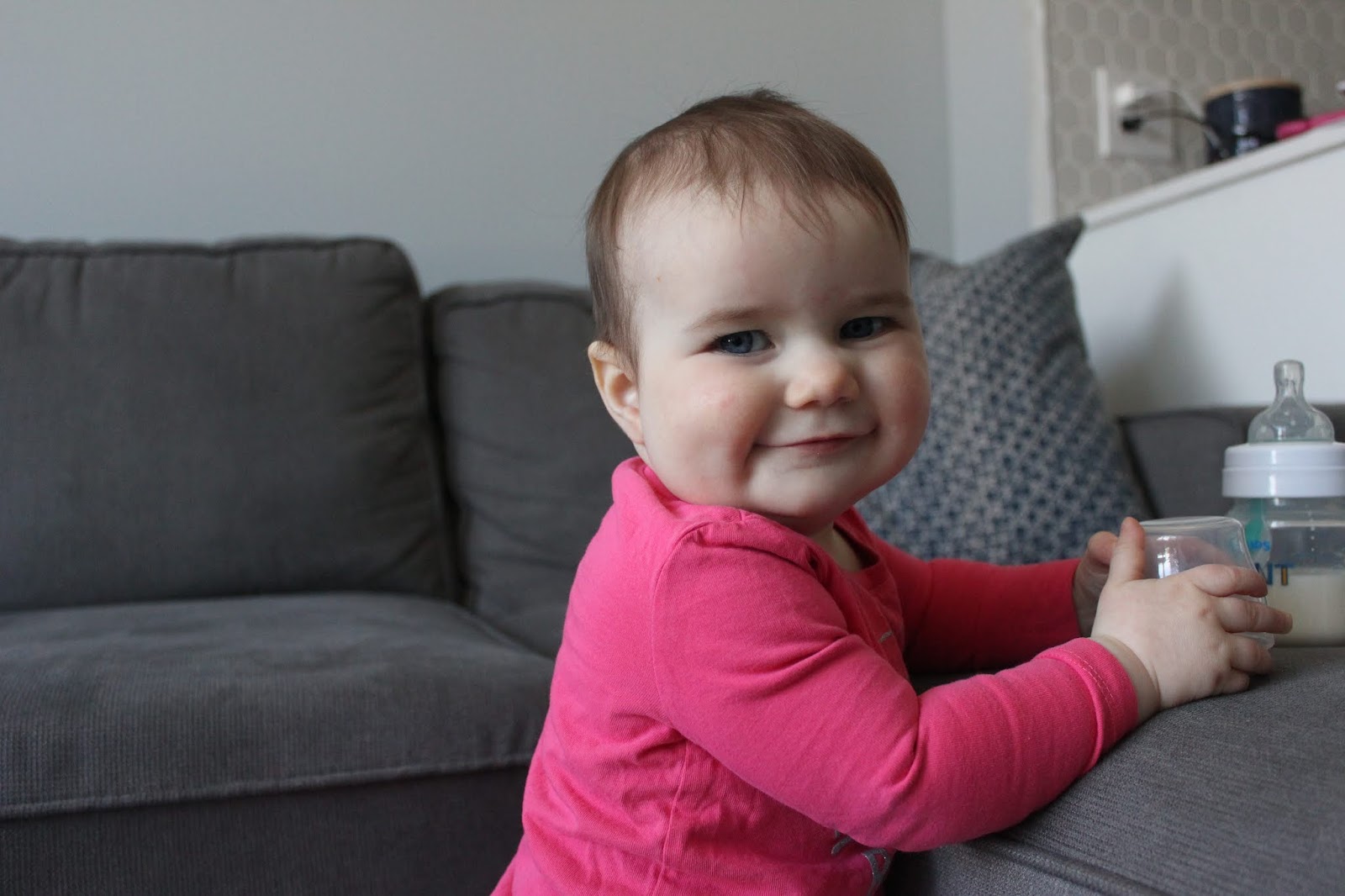
Morley: No, this little chubby baby. *said in baby voice while pinching sis’ cheeks*

Mom: Oh, you like the little chubby baby. Is she a good little sister?
Morley:  Ya! *continues pinching little sister’s cheeks*

Mom: What kind of things do you do as a big sister?
Morley: I play with her.

Mom: Do you help mommy, if I need it?
Morley: Ya.

A girl of few words.

Mom: How do you help? Do you help to get her diapers, and clothes? And share your toys?
Morley: Ya, but not my small dollies because she will put them in her mouth. 

Mom: Yes, she will. What other things do you do together?
Morley: We go to the park and on the swings. We take baths. I get her jammies and unzip her sleeping bag. I dress in princess dresses.

Mom: Oh ya, do you think one day she’ll want to wear princess dresses with you?
Morley: Ya, I’ll share my princess dresses. Right little bubbies??? *as she starts pinching her cheeks again*

Mom: Do you also teach her things?
Morley: Ya, we go fishing. (What?! No, they don’t.) I teach her ABCs and how to be gentle with the dogs. 

And then, she walks away. Conversation over.

So there you have it, straight from our three year old’s mouth - a very random conservation about what it means to be a big sister.

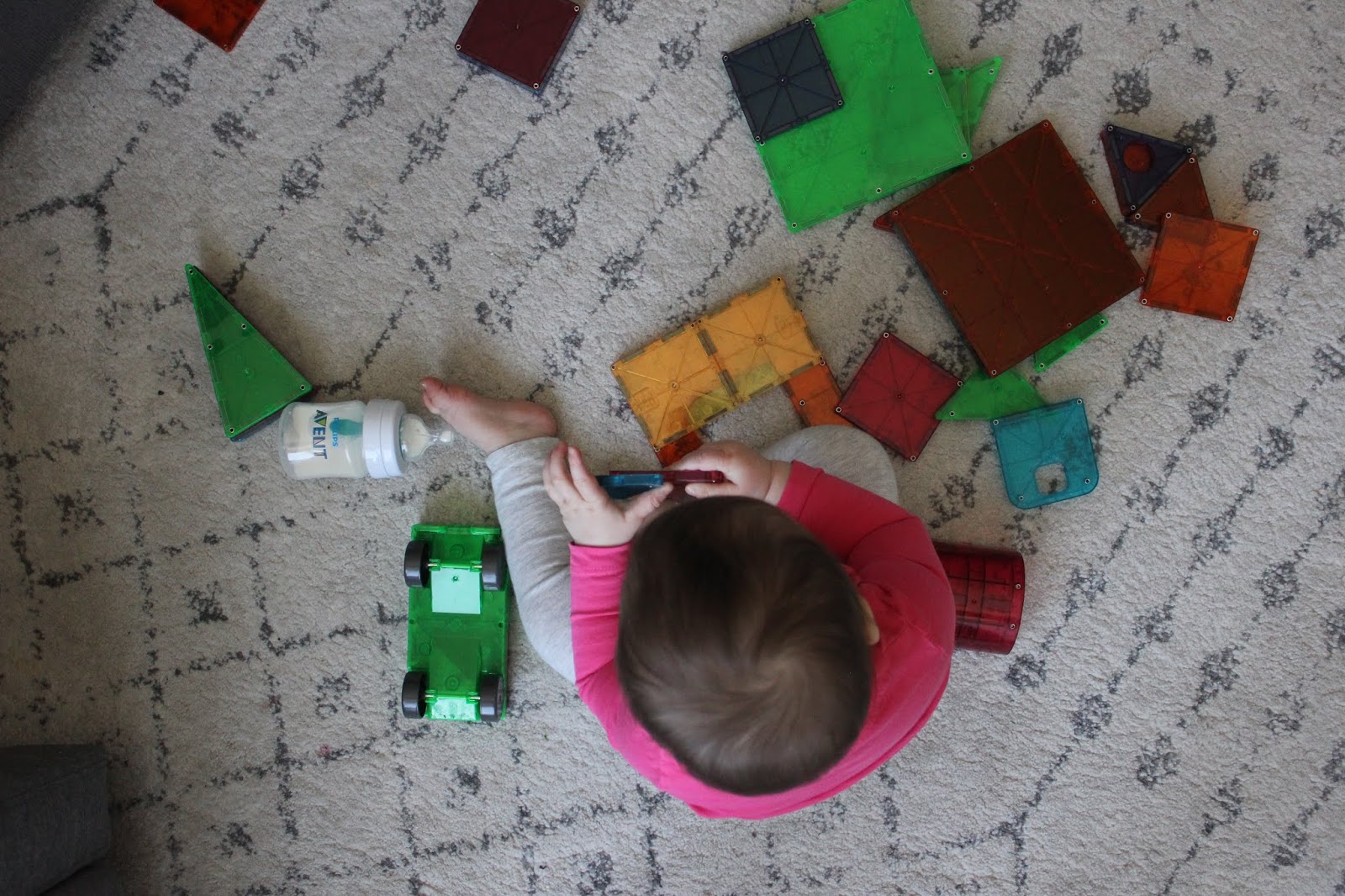
baby playing with magnetic tiles

But let’s go back to that whole sharing thing for a minute… 

She told me many times during our chat that she was good at sharing with her little sister. They share many things - my attention, their toys, germs AND their love of the same baby products. 

From the very beginning, we have been a Philips Avent family. Why? Because they are the #1 recommended brand of mother and childcare products worldwide, priding themselves on providing a full range of innovative products for baby and mom, from breastfeeding to bottle feeding, pacifiers and toddler cups. 

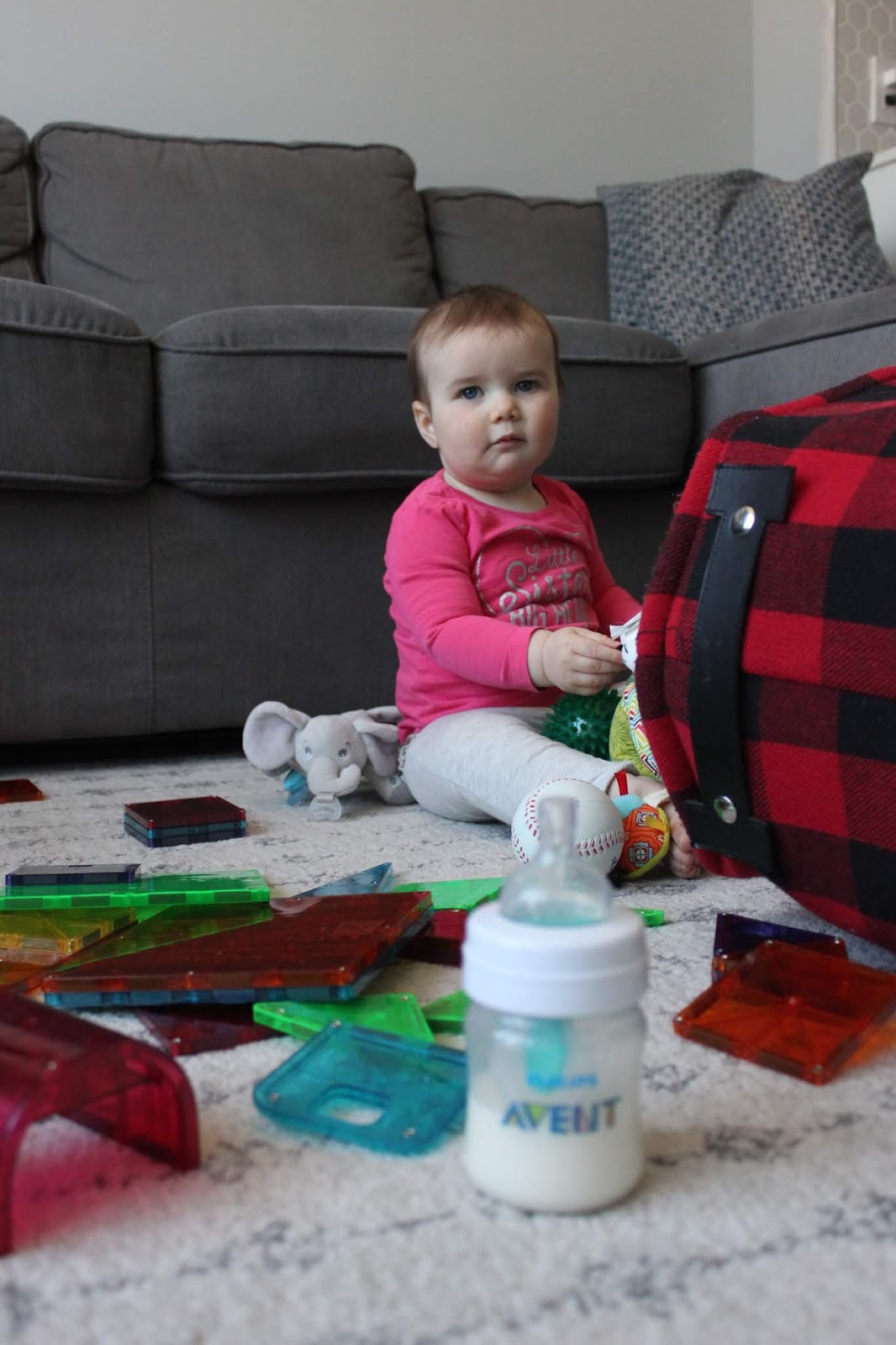
baby playing with magnetic tiles

Some of our favourites? 

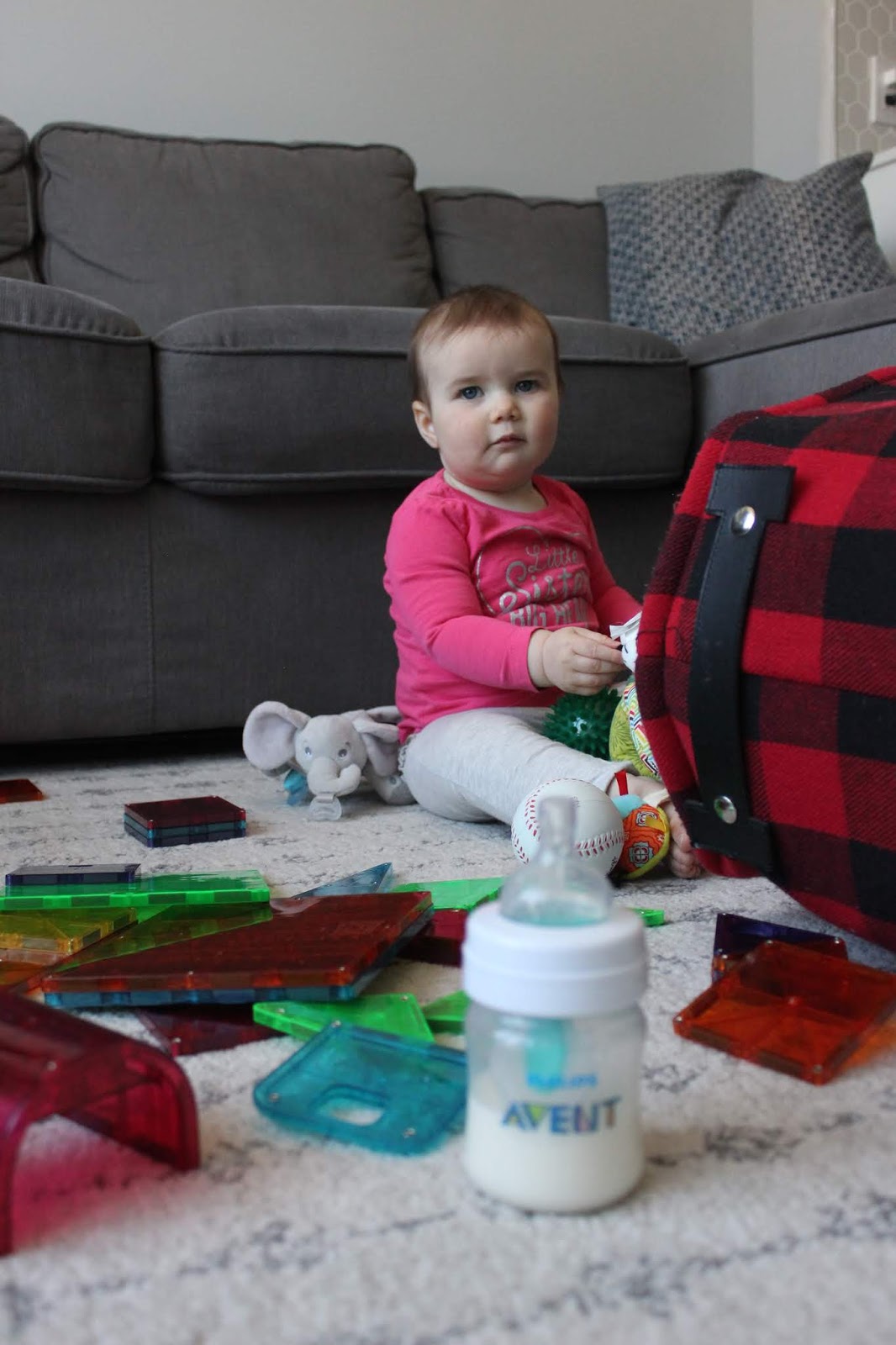
When big sister was a baby, she was bottle fed using Philips Avent Natural bottles. The BPA-free bottles have an ergonomic shape for maximum comfort, making them easy to hold and grip in any direction. The ultra soft nipple more closely resembles the breast, making an easier transition from breast to bottle. They are simple to use and clean, with quick and easy assembly, which is important when you've got a hungry babe on your hands.

Then little sister came into our lives. Let’s just say she’s a bit fussier than big sister. With a fussy baby, we had to change up the way we did things, including the bottles we used. Philips Avent Anti-Colic Bottles with Airfree Vent are designed to reduce colic, gas and reflux. The shape of the nipple allows a secure latch and stays full even when the bottle is horizontal, allowing baby to drink in an upright position so that they swallow less air as they drink.

Little sister also loves the NEW Philips Avent Soothie snuggle - the same great Soothie that many families and medical professionals know and trust, but with a soft, lightweight snuggly toy to help make babies feel secure. They’re also pretty darn cute.

baby playing with magnetic tiles

The relationship my little gals have is simply amazing. The way they look at each other, make each other laugh and talk to each other in their ‘secret’ language that only they can understand, has made my heart swell to a size I never knew was possible. Morley has fully embraced her new role and I couldn’t ask for a better role model, leader, teacher, playmate and best friend for her little sister.

Being a big sister, it’s one of the best jobs in the world. 

Are you the parent of multiples? What has amazed you the most about the relationship between your children? I’d love to hear!


*Disclaimer: This post is in partnership with Philips Avent. I received products and/or compensation in exchange for this post. All opinions and advice shares are 100% that of To & Fro.

SHARE:
Blog Design Created by pipdig